Funny Wrestling Mama SVG: A Designer’s Embroidery Review
Any design that combines humor, motherhood, and a tough sport like wrestling immediately grabs my attention. The Funny Wrestling Mama SVG file lands right in that sweet spot. It’s not just a cute phrase; it carries a vibe of pride, cheekiness, and the kind of real-life energy that makes a handmade product feel like a conversation starter. As an embroidery designer and product reviewer, I look at a file like this not as a flat graphic, but as a potential stitched piece that will live on fabric, get washed, get gifted, and maybe even become someone’s favorite sweatshirt. That’s the lens I’m using here.
First Impressions: The Personality of This Wrestling Mom Design
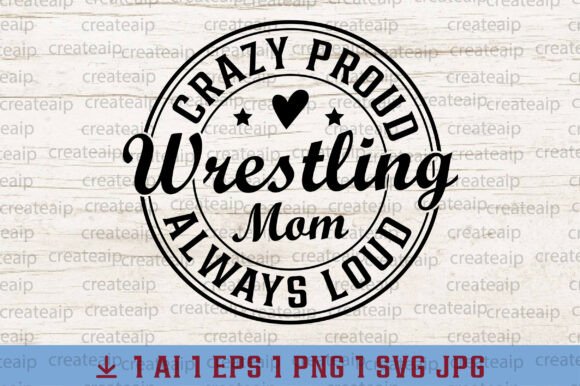
The moment I opened the folder, I could tell this design was built for impact. The layout is bold, the lettering feels confident, and the theme is unmistakable. It’s the kind of graphic that would work perfectly as a t-shirt design for a wrestling mom to wear at tournaments, but my brain immediately goes to embroidery. I’m picturing it on a cozy crewneck, a sturdy tote bag, or even a snapback cap. The shape is forgiving enough to fit a standard hoop, yet it has enough visual weight to hold its own on a blank garment.
The mood is playful without being cartoonish. I see a mix of typography and maybe a small wrestling motif—think a singlet silhouette or a subtle graphic element that ties it all together. That balance matters because it keeps the design from feeling like a one-joke piece. A mom could wear this proudly for years, and that’s exactly the kind of staying power a digital embroidery file should have.
How This SVG Translates into a Machine Embroidery Project
Here’s where a designer’s eye matters. The Funny Wrestling Mama SVG is a vector graphic, which means sharp lines and scalable shapes. But embroidery isn’t printing. When I take an SVG into my digitizing software, I’m looking at how each element will be broken down into satin stitch, fill stitch, or running stitch paths. The lettering is the first thing I inspect. If the text has thin, delicate strokes, it might need to be thickened slightly to avoid thread breaks or wobbly edges on textured fabric. Fortunately, the design’s overall character suggests a robust, bold style that digitizes cleanly.
I also pay attention to overlapping elements. Wrestling-themed graphics often include a parent-child silhouette or a sporty emblem. That kind of detail needs careful stitch density management. Too dense, and you’ll have a stiff, bulletproof patch on a soft sweatshirt. Too light, and the design loses its punch. A good test is to run a stitch density preview in your software and adjust the underlay to match the fabric texture you plan to use.
Real-World Scenario: A Sweatshirt for the Wrestling Mom
Let me put this into a real-life context. Last week, a client asked me to create a custom embroidered sweatshirt for her sister, who is a dedicated wrestling mom. She wanted something that felt personal, funny, and wearable at weekend meets. I immediately thought of this Wrestling Mom design. I loaded the SVG, digitized it with a soft-edge underlay, and chose a heathered charcoal sweatshirt. The thread colors were a clean white for the main text and a pop of team red for the accent graphic.
I tested the design on a scrap of similar fleece first—always a non-negotiable step. The result was crisp. The lettering held its shape, the small details in the wrestling icon didn’t close up, and the overall size felt balanced across the chest. That’s the kind of outcome that makes a personalized gift feel like a boutique product, not a craft fair afterthought.
The Visual Power of Humor in Handmade Goods
There’s a reason funny designs sell. A machine embroidery design that makes someone smile or nod in recognition has an emotional value that goes beyond a plain logo. The Funny Wrestling Mama SVG taps into that insider language. It’s for the mom who sits through hours of tournaments, who knows the smell of the mats, who cheers louder than anyone. When you stitch that onto a tote bag, a kitchen towel, or a baby onesie for a future wrestler, you’re not just decorating—you’re creating a connection. That emotional pull is pure gold for Etsy sellers and small shop products looking to stand out.
Where This Design Truly Shines (and Where It Might Fumble)
I’m a big believer in matching the design to the project. This embroidery design will absolutely shine on stable, medium-weight fabrics. Think cotton canvas for tote bags, French terry for sweatshirts, or even a sturdy apron. The bold text and theme make it a natural for custom apparel like hoodies, tees, and caps. I’ve also seen wrestling-themed baby embroidery projects—tiny bodysuits with a “Future Wrestler” twist—that would work perfectly with this file’s energy.
On the flip side, I’d be cautious with very small hoop sizes. If the design has intricate lettering or a detailed graphic, cramming it into a 4x4 inch space might lose the nuance. The same goes for thin, drapey fabrics like rayon or lightweight jersey. Without proper stabilizer, the stitches can pucker and distort the humor right out of the piece. And curved surfaces like a cap brim demand careful placement; the design’s layout might need tweaking to avoid distortion along the seam.
For holiday embroidery gifts—think Mother’s Day or Christmas—this design is a smart choice. A stitched pillow cover with this phrase and a matching tote bag could become a signature product line for a craft business. Just keep the fabric color in mind. I ran a quick black-and-white mockup, and the design pops beautifully on dark backgrounds, but light fabrics need a thread color with enough contrast to maintain readability.
Practical Embroidery Designer Notes for This Digital File
Before you stitch this out for a client or your shop, here’s what I recommend:
- Test on scrap fabric first. I can’t say this enough. The same design can look completely different on a cotton tee versus a plush blanket. Run a sample, wash it, and check for any thread loosening.
- Check your thread color contrast. The design’s humor relies on readability. If the thread blends into the fabric, you lose the impact. I like to hold up a few thread spools under different lighting before committing.
- Review stitch density in your software. If the SVG includes thin lines, you may need to adjust the digitizing settings to avoid a stiff, cardboard feel. A running stitch for outlines can keep it soft.
- Confirm your hoop size. Open the file in your embroidery program and measure the overall dimensions. Make sure it fits comfortably within your hoop, leaving room for the fabric to be hooped without pinching.
- Inspect small details. Look for any tiny cutouts or floating elements that might get lost in stitching. A quick preview in slow redraw mode saves a lot of frustration.
- Test in black and white. Convert the on-screen preview to grayscale. If the design still reads well, it’ll work on almost any fabric color. If it fades into a blob, you know you need stronger contrast.
- Use the right stabilizer. For stretchy knits, a cutaway stabilizer is your best friend. For woven tote bags, a tear-away can work, but I often add a layer of wash-away topping for a crisp finish.
One crucial note: the product description says you’ll receive a zipped file folder. Before you purchase, confirm exactly what’s inside. Is it just the SVG graphic file, or does it also include pre-digitized embroidery formats like PES, DST, or EXP? If it’s only the SVG, you’ll need to digitize it yourself or hire a professional digitizer. That’s not a dealbreaker—many design assets come this way—but it’s essential to know before you plan your production timeline. Also, check the licensing. Commercial embroidery use for selling finished products is different from personal use, and you need to be clear on what’s allowed.
The Business Angle: Selling Products with Funny Wrestling Mama SVG
If you’re an Etsy seller or run a small handmade product shop, this design can be a steady seller. Wrestling moms are a passionate, niche audience. Pair this embroidery file with a high-quality blank—like a cozy hoodie or a structured tote bag—and you’ve got a product that feels both personal and professional. I’ve seen similar designs used on pillow covers for tournament season, aprons for wrestling-themed bake sales, and even patches sewn onto gym bags. The versatility is there.
When you list the finished product, use clear, well-lit photos. A printable mockup can help you visualize the design on different items before you stitch, which saves materials and time. The design’s humor and boldness will attract clicks, but the quality of your stitching will earn the reviews. I always advise stitchers to include a close-up of the embroidery in their listing photos so buyers can see the thread texture and neatness. That transparency builds customer trust and brand consistency.
Final Stitch: Is It Worth Adding to Your Digital Library?
From a designer’s standpoint, the Funny Wrestling Mama SVG is a solid addition to your embroidery project toolkit. It has a clear, relatable theme, a layout that digitizes well, and the kind of emotional connection that transforms a simple t-shirt design into a keepsake. I appreciate designs that don’t try to do too much. This one knows its audience and delivers exactly what it promises: a high-quality, unique graphic that celebrates wrestling moms.
Whether you’re stitching a last-minute personalized gift or building a small collection of commercial embroidery designs for your shop, this file is ready to work. Just remember to do your due diligence: check the contents of that zipped folder, digitize with care, and always test on scrap fabric. When you hold up that finished sweatshirt or tote and see the smile on a wrestling mom’s face, you’ll know it was worth every stitch.