Gardening, Gardener, Garden Fairy PNG: A Designer’s Real-Project Review
First Glance: The Mood This Design Creates
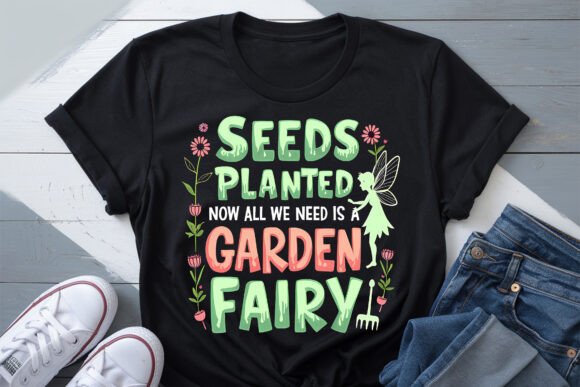
Opening a file like Gardening, Gardener, Garden Fairy PNG always makes me pause. There is something instantly warm about garden-themed artwork, especially when it leans into the whimsical rather than the purely botanical. The design carries a gentle, storybook quality that feels less like a seasonal trend and more like a small piece of everyday magic. As someone who has tested hundreds of machine embroidery design concepts, I have learned to look past the preview and imagine how the lines will read once thread meets fabric. This one has a softness that suits handmade aesthetics beautifully, without feeling overly fragile or fussy.
The composition feels balanced, not crowded. That matters tremendously when you are planning an embroidery project where hoop size, fabric texture, and stitch density all interact in ways that can amplify or ruin a delicate motif. My first thought was not about t-shirts, honestly. It was about a natural linen apron, something a gardener would actually wear, with soil on the pockets and a sense of quiet pride in the craft.
Where This Design Truly Belongs
I have been preparing a small batch of custom embroidered tote bags for a local plant nursery that wants boutique merchandise for spring. The moment I saw Gardening, Gardener, Garden Fairy PNG, I knew it could anchor that collection. The theme fits effortlessly into a garden-center setting, but more importantly, the visual personality translates well to products that people want to carry, wear, and gift. Think about a sturdy canvas tote with this design stitched near the bottom corner, or a soft sweatshirt with the artwork centered on the chest. Both feel right.
This design also suits personalized gift projects. I could easily picture a mother receiving an embroidered pillow cover with this fairy motif, especially if the recipient loves gardening or spends hours tending window boxes. The giftability factor is high because the imagery feels thoughtful rather than generic. It evokes a specific kind of person: someone who nurtures growing things, who finds peace in the dirt, who believes in a little enchantment.
Baby and Nursery Projects Deserve Special Mention
One often overlooked category for garden-themed artwork is baby embroidery. A delicate fairy surrounded by leaves and tiny blooms works beautifully on a baby blanket, a crib sheet corner, or a tiny hat. The softness of the design reads as gentle and protective, which is exactly what parents look for in nursery decor. I have tested similar motifs on organic cotton swaddles, and the reaction from customers is consistently emotional. When a design makes someone feel something, it sells better, gifts better, and becomes a keepsake.
Thinking Through the Stitching Reality
Here is where practical embroidery designer judgment comes in. A PNG file is a starting point, not a finished stitch file. The Gardening, Gardener, Garden Fairy PNG product description specifies a transparent PNG at 4500 by 5400 pixels at 300 DPI. That is a generous resolution, which gives you clean lines to work with when digitizing for machine embroidery design use. High-resolution source artwork matters because it reduces the cleanup work required before mapping stitches, especially around fine details like fairy wings, tiny flowers, or delicate facial features.
I would immediately test the design on scrap fabric before committing to a final product. The level of detail visible in the PNG needs to be evaluated under real stitching conditions. Delicate elements that look stunning on screen can become muddy if the stitch density is too high or the hoop size too small. For a design like this, I would not recommend shrinking it below four inches in the longest dimension unless you are willing to simplify the artwork. Small lettering, if any exists in the decorative elements, should be checked carefully. Thread wants to bleed slightly, and what reads as crisp in a digital mockup can become illegible under satin stitch or tight fill stitch sections.
Fabric Texture and Color Decisions
Fabrics with heavy texture, like terry cloth or waffle weave, will fight the fine details in this design. I would steer toward smooth cotton, linen blends, or quality jersey knit backed with proper stabilizer. Dark fabrics present another consideration. The fairy motif likely contains lighter elements, which means contrast becomes your best friend or your worst enemy. I always test a design in black and white before selecting thread colors, because that quick exercise reveals whether the shapes hold up without relying on hue alone. Gardening, Gardener, Garden Fairy PNG should maintain its silhouette even in monochrome if the composition is strong.
Stretchy fabrics demand extra care. A sweatshirt with too much give can distort the stitching unless you use a cutaway stabilizer and perhaps a water-soluble topper for the surface. I have ruined enough test pieces to know that skipping stabilizer is never worth the saved time. The satin stitch borders, if you choose to incorporate them, will need a solid foundation to stay crisp through washing and wear.
Commercial Potential and Customer Perception
For Etsy seller shops and small shop product lines, the visual appeal of a design directly affects buyer engagement. Shoppers scroll quickly. A design that feels unique, emotionally resonant, and professionally executed stops the scroll. Gardening, Gardener, Garden Fairy PNG has that stopping power because the garden-fairy theme occupies a sweet spot between niche and broadly appealing. It is specific enough to attract dedicated gardeners and fantasy lovers, yet accessible enough to charm casual buyers looking for a pretty embroidered patch or custom apparel piece.
From a branding perspective, consistency matters. If you run a craft business centered on nature-inspired handmade products, this design slots in neatly alongside botanical patterns, floral motifs, and woodland themes. It reinforces your shop identity without repeating the same artwork. Buyers who purchase one garden-themed item often return for complementary pieces, and a cohesive design language builds customer trust over time.
Holiday and Seasonal Gifting Angles
Mother’s Day, spring birthdays, and even Christmas gift baskets can feature this design. A set of embroidered kitchen towels with the garden fairy motif, bundled with a small potted herb, makes a charming holiday gift. The versatility across seasons extends the product lifespan in your shop, which is something every digital product seller and handmade shop owner should consider before investing time in digitizing and testing.
Where Caution Is Needed
Not every product category suits this design equally. Caps and hats with curved surfaces can distort the proportions, especially if the artwork is wide or contains horizontal elements that bend awkwardly over the crown. I would avoid placing this design on heavily layered garments, near zippers, or on extremely thin fabric that puckers under dense stitching. Thread colors should be chosen with care, lighter shades on dark backgrounds require an underlay stitch to prevent the fabric from showing through, and darker threads on light fabric can look harsh if the design relies on soft transitions.
If you plan to use Gardening, Gardener, Garden Fairy PNG for commercial embroidery or printable mockup previews, confirm the licensing terms before listing finished products. The product description mentions 100 unique and exclusive designs, but whether that exclusivity extends to reselling finished physical items or digital embroidery files is a question you must answer before committing to production. Licensing clarity protects your craft business from disputes and keeps your creative work legitimate.
Real Project Walkthrough: The Garden Tote Experiment
Let me walk through the actual project I mentioned earlier. I am preparing a small run of embroidered tote bags for a nursery client. The bags are medium-weight natural canvas, approximately fifteen inches wide. I plan to place the garden fairy design on the front panel, slightly off-center toward the bottom right. The transparent PNG background makes the design assets easy to isolate and position in my digitizing software. I will test stitch density at medium, leaning slightly lighter around the wing details to preserve delicacy.
Thread choice will lean earthy. Moss green for the foliage, a soft blush for the fairy’s dress, and a warm ivory for the wings. I will use a running stitch for the finer line work and a light fill stitch for the main shapes. The stabilizer will be a medium-weight cutaway, and I will add a water-soluble topper because the canvas has a slight texture. After stitching, I will wash one test bag three times to check for thread wear, shrinkage, and any distortion. If the design holds up, I will confidently offer the tote as a finished product in the client’s shop.
This kind of testing is not optional. It is what separates a professional embroidery designer from someone who simply runs files through a machine. The Gardening, Gardener, Garden Fairy PNG gives me a strong foundation, but the final quality depends on the decisions I make around stitching, materials, and finishing.
Final Practical Notes for Makers
Before you commit this design to your next embroidery project, run a small checklist. Test the design on scrap fabric first. Check thread color contrast against both light and dark backgrounds. Review stitch density, especially in the fine details. Confirm your hoop size accommodates the design without squeezing the edges. Inspect any small lettering or decorative accents at actual stitching size, not just on screen. Use proper stabilizer for your chosen fabric type. And perhaps most importantly, verify that the licensing supports your intended use, whether for personal projects, client work, or commercial product lines.
Gardening, Gardener, Garden Fairy PNG can absolutely become a beloved piece in your collection. The mood is right, the theme is enduring, and the resolution offers the flexibility needed for clean digitizing. Whether you stitch it onto a tote bag, a baby blanket, a sweatshirt, or a simple kitchen towel, the design carries a quiet charm that resonates with people who love growing things. That kind of emotional connection is exactly what turns a handmade product into something memorable.