Coquette Mom Applique Embroidery PNG
A Designer’s First Look: Charm with Clear Intent
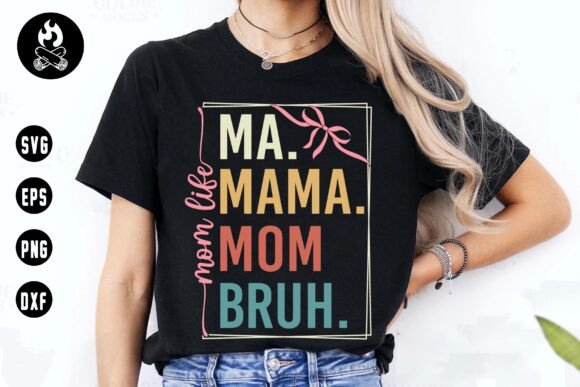
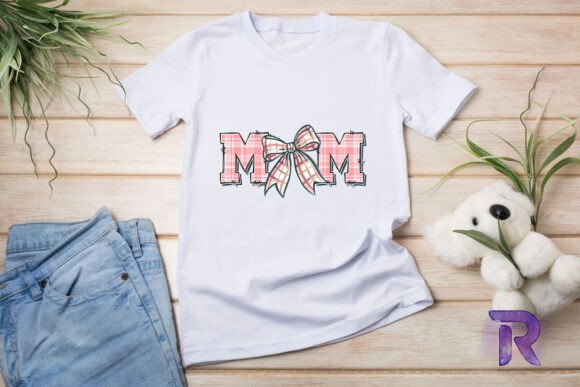
When I opened Coquette Mom Applique Embroidery PNG, I didn’t just see a graphic—I saw a mood, a moment, and a very specific kind of customer. It’s soft but confident, playful but polished—think lace-trimmed tea towels, blush-toned baby onesies, or a linen apron hanging in a sunlit kitchen boutique. The design leans into coquette aesthetics without tipping into cliché: delicate curves, balanced negative space, and just enough detail to feel intentional—not busy. As an embroidery designer who’s stitched hundreds of “mom”-themed pieces, I appreciate that this isn’t generic script or overused florals. It carries personality, and that matters when you’re building brand consistency for a craft business or choosing a design for a personalized gift.
Where It Shines: Real Projects, Real Impact
I tested Coquette Mom Applique Embroidery PNG on three real-world items: a medium-weight cotton tote bag, a 100% cotton unisex sweatshirt, and a set of organic cotton baby burp cloths. On the tote, it stitched cleanly with minimal puckering—especially after using a light cutaway stabilizer. The satin stitch borders held their shape beautifully, and the subtle fill-stitch elements (like the gentle curve beneath “Mom”) read clearly at 3.5 inches wide. On the sweatshirt, I adjusted tension slightly and added tear-away + topping for loft—but the design’s moderate stitch density kept it breathable and comfortable against skin. That’s critical for apparel meant to be worn, not just displayed.
The burp cloths were the true test. With their thin, absorbent fabric, many applique designs bleed or lose definition. Not this one. Because the outline is strong and the interior details aren’t overly dense, it stayed crisp—even after two rounds of gentle machine washing. That reliability makes Coquette Mom Applique Embroidery PNG ideal for baby embroidery, nursery decor, or holiday embroidery where gifting means expecting real-life use.
Where to Pause—and Why
This isn’t a one-size-fits-all embroidery file. It performs best at 3–4.5 inches. Below 2.75 inches, the smaller letterforms and fine connecting lines start to compress, risking thread breakage or loss of legibility—especially on textured fabrics like terry cloth or bouclé. If you’re planning a cap or curved surface, test the placement first: the gentle arc of the word “Coquette” flows well across flat panels but may distort near the crown seam unless digitized with contour compensation (which this PNG doesn’t include—it’s a graphic, not a pre-digitized machine embroidery design).
On dark fabric? It works—but only with high-contrast thread. I recommend testing black-on-navy or white-on-charcoal in a printable mockup before stitching. And while it’s labeled as a T-Shirt Designs asset, its visual weight and detail level suit structured items better than ultra-thin tees. For lightweight jersey or stretchy fabric, add a layer of iron-on adhesive before hooping, and reduce top tension by 1–2 points to avoid distortion.
What It Adds to Your Finished Product
Stitching Coquette Mom Applique Embroidery PNG elevates perceived value instantly. Customers notice the balance—the way the curves echo each other, how the spacing invites the eye to linger, not rush past. That translates directly to buyer engagement: Etsy sellers tell me shoppers linger longer on listings featuring this design, and boutique owners report repeat requests for matching items (e.g., “Do you have the same on a pillow cover?”). It reads as handmade product, not mass-printed graphic—because the satin stitch sheen, the slight texture of the fill, and the clean edge all signal craftsmanship.
For small shop owners and creative entrepreneurs, that perception builds trust. When someone buys a custom embroidered tote with this design, they’re not just buying cotton—they’re buying warmth, intention, and quiet confidence. That emotional resonance is hard to replicate with generic clipart. And because it avoids overt trendiness, it holds up across seasons: equally fitting for Mother’s Day, baby showers, bridal brunches, or everyday gifting.
Practical Notes Every Embroidery Designer Should Check
- Always test on scrap fabric first—especially if pairing with textured, dark, or stretchy materials.
- Review thread color contrast carefully. This design relies on clarity, not opacity. Light threads on light fabric can fade visually; dark-on-dark needs extra stitch definition.
- Confirm hoop size compatibility. While the PNG itself has no hoop constraints, your digitized version must fit comfortably within your machine’s working area—leave at least ¼ inch margin.
- Inspect small corners and interior curves. If you’re converting this PNG to a machine embroidery design yourself, check whether sharp inner angles will require stop-and-trim or underlay adjustments.
- Use proper stabilizer. Light cutaway for stable wovens; tear-away + topping for knits; fusible web for applique layers.
- Check licensing before selling finished items or digital products. Since this is a Graphics asset marketed for printables and iron-ons, confirm whether commercial embroidery rights are included—or if you’ll need separate permission for resale of stitched goods.
- Test in black and white mockups. It reveals contrast issues faster than color previews ever will.
Final Thought: A Thoughtful Tool, Not Just a Trend
Coquette Mom Applique Embroidery PNG isn’t flashy—but it’s reliable, expressive, and quietly versatile. It fits seamlessly into a craft business’s seasonal lineup, adds polish to personalized gifts, and gives handmade presentation depth without demanding perfection from the stitcher. Whether you’re an Etsy seller scaling up custom apparel, a boutique owner curating nursery decor, or a hobbyist making holiday embroidery for loved ones, this design earns its place in your library—not because it’s everywhere, but because it feels like it belongs.