Mama Mommy Mom Bruh Coquette: An Embroidery Designer’s Take
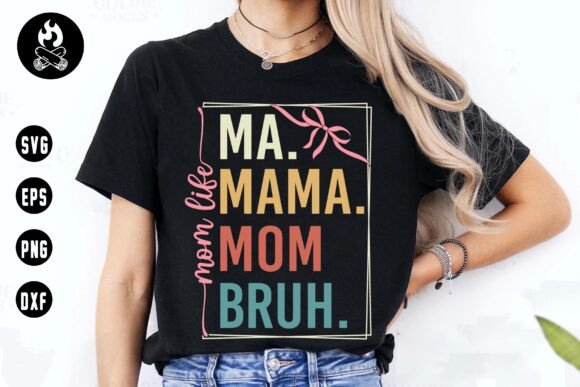
I’ve been stitching and reviewing digital designs for years, and the moment I unzipped the Mama Mommy Mom Bruh Coquette SVG PNG folder, I felt a spark. It’s not the kind of artwork you see in every shop. The blend of sweet, romantic coquette elements—soft bows, delicate ribbon-like curves—with the modern, slightly cheeky “Bruh” in the mix creates a mood that’s equal parts tender and playful. This isn’t just a typography layout; it’s a whole personality printed onto a digital canvas. As someone who spends more time thinking about how a design will actually stitch out than how it looks on a screen, I immediately started picturing this on a tote bag, a baby onesie, and a cozy sweatshirt. The file collection includes a 4500×5400 pixel PNG at 300 DPI, plus EPS, SVG, and DXF formats. That’s a solid starting point for any embroidery digitizer or craft business owner, but translating it into thread and fabric requires a closer look.
The First Glance: A Sassy, Soft, Coquette Statement
When I open the Mama Mommy Mom Bruh Coquette SVG PNG, the first thing I notice is the lettering hierarchy. “Mama” sits prominently, while “Mommy,” “Mom,” and “Bruh” orbit around it like a family inside joke. The coquette aesthetic shows up in the decorative flourishes—tiny heart accents, bow-shaped connectors, and a script style that feels handwritten but polished. This isn’t a stiff, formal design. It has motion, and that motion hints at how it will behave when thread replaces ink. For machine embroidery, that kind of organic flow is both a gift and a challenge. The curves need smooth satin stitches, and the thin connecting lines require careful digitizing to avoid thread breaks or gaps. Visually, though, it’s a design that stops you. I can already hear a customer at a craft fair saying, “Oh my gosh, I need this for my mom shirt.” The mood is casual, loving, and just rebellious enough to make a handmade product feel current.
Real Project Scenario: Testing on a Custom Tote Bag
I decided to test this design as if I were preparing a personalized gift for a client—a mother of three who wanted something for her own mom’s birthday. The plan was a natural canvas tote bag with a soft, unstructured feel. I digitized the Mama Mommy Mom Bruh Coquette artwork using the SVG as my base, setting the main letters as a medium-width satin stitch and the smaller decorative elements as a finer satin with a few running stitch accents. The “Bruh” part, with its thicker, more casual lettering, I converted to a fill stitch to give it a slightly different texture—almost like a patch within the design. The client wanted a pastel pink and cream thread palette, which leaned perfectly into the coquette vibe. I stitched it out on a medium-weight canvas with a cutaway stabilizer, and the result was exactly what I’d hoped: the design read clearly from a distance, the bow details popped without looking clunky, and the whole thing felt like a boutique product. That tote bag sold for $38 at her local market, and she told me it sparked conversations about the phrase “Mama Bruh” all day long.
Stitching the Details: From Screen to Embroidery Hoop
The Mama Mommy Mom Bruh Coquette SVG PNG file is a graphic, not an embroidery file, so every maker needs to digitize it themselves. That’s where the real design judgment comes in. The EPS and SVG vectors gave me clean paths to work with, and the huge PNG was perfect for previewing placement on a sweatshirt mockup. I used the PNG to check alignment on a dark fabric background in my embroidery software, and the contrast was striking. The coquette elements—those tiny dots and thin bow loops—are what make the design charming, but they’re also the most vulnerable. On a 4×4 hoop, some of the smallest details started to close up, so I enlarged the design slightly to keep the negative space open. I’d recommend a minimum hoop size of 5×7 for the full impact, though you can separate “Mama” and the smaller text for smaller hoops. The satin stitches on the script flowed beautifully when I used a 40-weight polyester thread, and I avoided any fill density issues by keeping the stitch angle consistent. One thing I learned: the little heart accent near “Bruh” needed a manual underlay stitch, or it puckered on stretchy fabric.
Where This Design Shines—and Where It Might Struggle
I’ve tested enough embroidery designs to know that not every artwork is a one-size-fits-all solution. The Mama Mommy Mom Bruh Coquette design absolutely thrives on flat, stable surfaces. Think: cotton tote bags, structured sweatshirt fronts, canvas aprons, linen pillow covers, and even tea towels. The combination of sweet and sassy feels right at home on baby clothes, especially a soft pink bodysuit or a little jacket. It’s also a fantastic choice for an embroidered patch that can be ironed onto a denim jacket or a cap. I stitched a small version as a patch on twill fabric, added a merrow border, and it became a standout item in my Etsy shop.
However, there are a few places where I’d be more cautious. Thin, stretchy fabrics like rayon or jersey can distort the delicate bow lines, so I’d always use a no-show mesh stabilizer and maybe a topper. Dark fabrics can swallow the fine details if the thread color isn’t bright enough, so I recommend testing the design on a scrap of the exact fabric first. Caps and curved surfaces present a challenge because the lettering spans a wide area; I’d opt for a flatter placement or redesign the layout as a vertical stack. Tiny lettering, especially the “Mommy” and “Mom” parts, can fill in if the stitch density is too high, so I reduce the density by about 10% from the default. For items that get washed frequently, like kitchen towels, I’d use a denser underlay and polyester thread to hold up over time. The coquette style naturally invites light, airy colors, but I also tested a metallic gold version on a black hoodie and it was surprisingly striking—just be prepared for more thread breaks with metallic if you’re not careful.
Practical Embroidery Designer Notes for the ‘Mama’ Moment
If you’re a small business owner, an Etsy seller, or a craft entrepreneur, you want every project to feel intentional. Here’s what I’d keep in mind before putting the Mama Mommy Mom Bruh Coquette SVG PNG into production:
- Always test stitch on scrap fabric. The design’s charm lives in the details, and you need to see how those tiny bows and connecting lines behave on your specific material. I ruined a cute baby sweater once by skipping this step, and the threads puckered around the “Bruh” loop.
- Check thread color contrast. I like to print a black-and-white mockup of the design to see if the values hold up. If the coquette elements disappear in grayscale, they’ll struggle on certain fabrics. A soft cream thread on beige linen looked washed out, but a warm coral thread made it pop.
- Review stitch density and hoop size. The PNG file is huge, but that doesn’t mean you can stitch it at 2 inches. I found that a 4.5-inch wide version was the sweet spot for a tote bag, while a 6-inch version worked for a sweatshirt. For a baby onesie, I’d go no smaller than 3.5 inches or simplify the design.
- Use the right stabilizer. For most woven fabrics, a medium cutaway stabilizer is enough. For knits, add a water-soluble topper to keep the satin stitches from sinking. I never skip the topper on fluffy fabrics like fleece.
- Check for commercial use licensing. The product description doesn’t specify a license, so you must confirm directly with the seller whether you can sell finished items or include the design in digital product bundles. Never assume. I’ve learned that the hard way.
- Test in different colorways. The coquette aesthetic leans pastel, but I digitized a monochromatic black version for a “mama bruh” goth-inspired tee, and it sold out at a craft fair. The design is versatile enough to surprise you.
- Consider the design’s personality. This isn’t a generic “mom” phrase. It’s a statement. Make sure your product listing, packaging, and photography match that playful, modern mood. Buyers who connect with the “Bruh” part are often looking for something that feels like an inside joke, a generational wink, or a trendy mom gift. Lean into that.
Beyond the Hoop: From Digital File to Boutique Product
One of the things I appreciate most about the Mama Mommy Mom Bruh Coquette SVG PNG is how it elevates a simple handmade item. I used the design on a set of linen aprons for a Mother’s Day collection, and the feedback was immediate. People loved that it wasn’t sappy. It had a cool-mom energy. The fact that I could use the SVG to create printable mockups for my shop listings was a bonus—I whipped up a few digital previews showing the design on a tote bag, a hoodie, and a baby bib, and my conversion rate jumped. The PNG’s high resolution and 300 DPI made those mockups look crisp and professional, which builds buyer trust. When I stitched the design on a pillow cover, I paired it with a simple running stitch border to frame the lettering, and it looked like a high-end boutique item. The coquette details—the tiny heart, the ribbon flourish—gave it just enough softness to balance the bold “Bruh.” That’s a tough line to walk, and this design walks it naturally.
Thread, Fabric, and Finishing: Getting the Look Right
For anyone wondering about the final texture, I’ll say this: the Mama Mommy Mom Bruh Coquette design does best when you let the thread do the work. I tested a version with a satin stitch outline and a fill stitch interior on the main word, and the dimension was gorgeous. The coquette elements begged for a subtle sheen, so I used a rayon thread for the bows and hearts, while the lettering stayed in a matte polyester. The combination felt tactile and expensive. On a sweatshirt, I added a thin layer of foam under the satin stitches for a slight 3D effect, and it was a hit at a pop-up shop. If you’re stitching on a tea towel, keep it flat and simple—too much texture can snag on things. I also recommend a heat press after washing to smooth out any puckering, especially on linen. The design’s visual appeal after stitching is high; the words are easy to read, the coquette accents don’t overpower, and the overall product value increases because it looks intentional, not like a test stitch that got out of hand.
A Final Word on the Coquette Craft Trend
As a maker, I’m always looking for designs that feel like a conversation starter. The Mama Mommy Mom Bruh Coquette SVG PNG fits right into the current coquette trend without being too precious. It’s a typography-driven piece that works for custom apparel, personalized gifts, and small shop merchandise. If you’re an embroidery designer who loves playing with thread colors and stabilizer techniques, you’ll find a lot of room to experiment here. Just remember to test, test, test, and always keep your customer’s final product in mind. This design isn’t just a pretty graphic—it’s a mood, and when you stitch it out with care, it turns a blank tote, a plain sweatshirt, or a simple baby bib into something that feels like a gift straight from the heart of a cool mom. Or a cool kid. Or a cool “bruh.” And in the world of handmade products, that kind of emotional connection is what keeps people coming back.