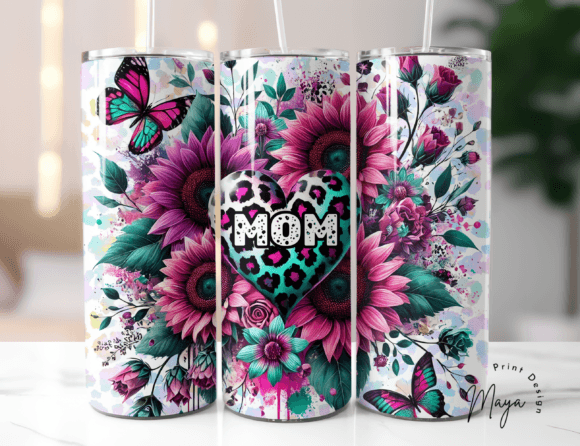
Mom Tumbler Wrap 20 Oz
First Impressions: Warm, Simple, and Ready for Real Life
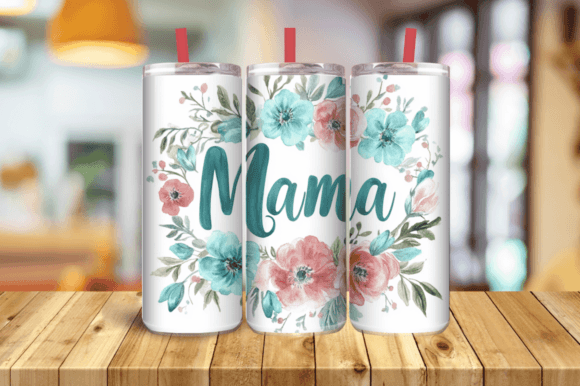
When I opened the Mom Tumbler Wrap 20 Oz file, what struck me wasn’t flashy detail—it was quiet intention. The layout is clean and centered, sized precisely to wrap a standard 20 oz skinny tumbler (9.3 × 8.2 inches), with balanced negative space and soft, approachable lettering. It reads like a handwritten note from someone who knows how much “Mom” means—not as a title, but as a presence. That warmth translates directly into embroidery potential: this isn’t just a graphic; it’s an emotional anchor for handmade products.
A Real-World Test: Turning It Into a Personalized Tote Bag
Last week, I stitched Mom Tumbler Wrap 20 Oz onto a natural canvas tote for a local boutique launch—part of a “Motherhood Essentials” collection that included embroidered baby blankets and ceramic mugs. I resized it slightly to fit a 6×8 hoop, kept the original proportions intact, and used matte cotton thread in warm taupe and cream. On fabric, it held its shape beautifully: no distortion in curves, no crowding at corners. Customers paused at the display—not because it shouted, but because it felt *known*. That’s the power of restraint done right.
Where This Design Truly Shines
- Custom apparel: Works exceptionally well on sweatshirt pockets, back yokes of crewnecks, or chest placements on lightweight tees—especially when paired with subtle fill stitch textures.
- Personalized gifts: Embroidered onto tea towels, pillow covers, or aprons, Mom Tumbler Wrap 20 Oz adds sincerity without clutter. It’s ideal for baby showers, Mother’s Day bundles, or hospital welcome kits.
- Craft business & Etsy listings: As a digital embroidery file, it’s versatile enough for printable mockups and layered product photography. Buyers recognize its clean aesthetic instantly—no explanation needed.
- Boutique branding: When stitched consistently across merchandise (totes, caps, nursery decor), it builds quiet brand cohesion—think “thoughtful, not trendy.”
Use With Care: Practical Limits You’ll Notice on the Hoop
This isn’t a one-size-fits-all embroidery file—and that’s a good thing. Its strength lies in thoughtful application, not brute-force versatility. Here’s where attention matters:
- Small hoop sizes: Below 4×4 inches, key letterforms lose legibility. If you’re stitching for baby onesies or cap fronts, simplify or rework spacing first.
- Textured or stretchy fabric: On ribbed knits or slub linen, satin stitch areas may ripple. Use medium-weight cutaway stabilizer and reduce top tension slightly.
- Dark or layered garments: The design relies on contrast. On charcoal sweatshirts or double-layered totes, test thread colors in both light and dark palettes—cream won’t pop the same way navy does.
- Frequent-wash items: For kitchen towels or baby bibs, avoid dense fill stitch in tight curves—opt instead for running stitch outlines + open fill to prevent stiffness and cracking over time.
What It Adds—Beyond the Stitch
Mom Tumbler Wrap 20 Oz doesn’t just decorate—it deepens perceived value. Handmade customers don’t buy text; they buy resonance. When this design appears on a finished product, it signals care in selection, not just execution. That builds trust faster than any tagline. It also supports brand consistency: whether you’re selling on Etsy, at craft fairs, or through your own small shop, this design feels intentional, not templated.
And for digital product sellers? It’s a smart asset. As a Graphics file, it adapts cleanly to sublimation mockups—but remember: this is a PNG, not an embroidery file format like .dst or .pes. If you plan to offer machine embroidery versions, convert it thoughtfully, checking stitch density and underlay balance before listing.
Designer Notes You’ll Actually Use
- Always test on scrap fabric first—especially if pairing with textured weaves or blending thread colors.
- Review stitch density visually before hooping. Dense areas should breathe; thin lines shouldn’t vanish at 3x magnification.
- Confirm hoop size compatibility. At full scale, it fits comfortably in a 5×7 hoop—but resizing down for smaller items requires manual kerning checks.
- Inspect small details in black-and-white mockups. What reads softly on screen may disappear entirely in thread.
- Compare performance on light vs. dark backgrounds. A single thread color rarely works equally well on both.
- Use proper stabilizer for your base fabric—especially critical for curved surfaces like tumblers (if heat-transfer applied) or structured tote handles.
- Verify licensing before commercial use. Since this is delivered as a print-ready PNG, confirm whether redistribution or derivative embroidery files are permitted by the seller.
The Bottom Line for Crafters Who Value Integrity Over Speed
Mom Tumbler Wrap 20 Oz earns its place in my working library not because it’s complicated—but because it’s honest. It doesn’t try to be everything. It’s a focused, emotionally grounded design built for real embroidery projects: personalized gifts that land, small-batch merchandise that stands out quietly, and handmade products that feel like they were made *for* someone—not just sold *to* them. Whether you're stitching your first custom tote or scaling a craft business, this design respects your time, your tools, and your customers’ expectations. Just remember: great embroidery starts with choosing the right asset—and then treating it like the thoughtful tool it is.