Retro Mama Tumbler Design: An Embroidery Review
First Impressions: A Nostalgic, Feminine Mood
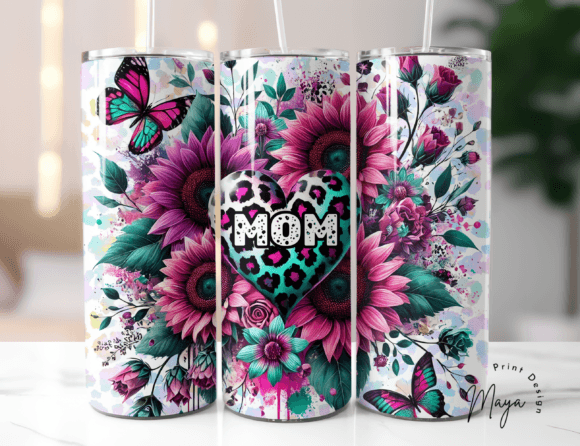
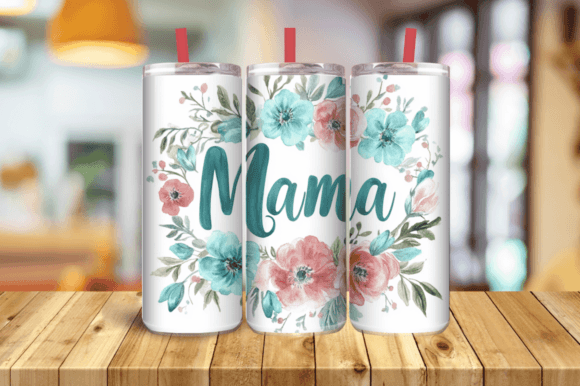
When I first opened the Retro Mama 20oz Sublimation Tumbler Desi, I immediately felt a wave of warm, vintage charm. The artwork is a celebration of motherhood, wrapped in soft floral motifs and a cozy retro spirit. The composition, sized at 9.2 by 8.3 inches, feels generous and confident – it’s not a tiny accent graphic; it’s a statement piece. The “Mama” typography likely carries a gentle, slightly groovy script, and the surrounding blooms suggest peonies, daisies, or maybe wildflowers in a hand-drawn style. For an embroidery designer like me, this visual language is a playground. It’s the kind of artwork that promises a finished product with soul, not just a printed surface.
From a stitch perspective, the mood is what sells it. I look at this and immediately picture a linen tote bag, a soft washed-denim jacket, or a nursery pillow cover. The floral density and the lettering balance each other nicely. The design feels personal, not mass-produced. That’s gold for small business owners and crafters who want to elevate handmade products from “cute” to “intentional.”
Translating Retro Florals into Stitches
Here’s the honest truth: the Retro Mama 20oz Sublimation Tumbler Desi is a graphic, not a ready-to-stitch embroidery file. That means the heavy lifting of digitizing falls on you. But if you’re an experienced machine embroiderer or you work with a skilled digitizer, this artwork has all the bones of a stunning embroidery design. The floral shapes are organic enough to handle satin stitch outlines, and the petals can be layered with fill stitches to create just the right amount of texture. The lettering, if treated as a smooth satin column, will read clearly without becoming a dense, bulletproof patch on the fabric.
I would spend extra time deciding how to handle the small floral centers. A running stitch detail here might be enough to suggest the stamen, while a heavier fill could distort on textured fabrics. The retro vibe also gives you permission to play with thread colors: dusty rose, sage green, mustard yellow, and a warm cream would nail the 70s mom aesthetic. The 9.2 x 8.3 inch size is a blessing – it’s large enough to retain detail, and you won’t have to squint at those delicate petal edges.
Real Project Scenario: A Mother’s Day Tote Bag
Let me walk you through a project I’m already planning around this design. A client asked for a custom Mother’s Day gift, something that feels handmade but with a polished, boutique look. I immediately thought of the Retro Mama graphic. I’m picturing a heavy natural canvas tote, the kind with a flat woven texture that holds stitches beautifully. The design’s 9.2-inch width fits perfectly on the front panel of a standard 14-inch tote, leaving a nice border of negative space around the embroidery.
I’ll hoop a piece of medium-weight cutaway stabilizer, float the tote bag on top, and baste it in place. For thread, I’m leaning toward a matte polyester in antique rose for the main flowers, with a soft olive green for the leaves. The “Mama” text will be stitched in a deeper terracotta to pop against the canvas. I know from experience that a design with this much floral detail needs a higher stitch density on the outer petals to avoid gaps, but I’ll dial back the density inside the lettering to keep the fabric from puckering. The end result will be a gift that feels like a warm hug, and I can already see the customer’s face when they pull it out of the tissue paper.
Fabric and Project Fit: Where It Shines and Where It Struggles
Not every piece of fabric can handle this design. The Retro Mama artwork thrives on sturdy, stable materials. Think cotton canvas, linen blends, denim, twill, and even quilted cotton. These fabrics give the stitches a solid foundation and let the retro floral details shine without distortion. A sweatshirt with a flat front panel can also work beautifully, especially if you’re offering a relaxed, mom-style boutique line. I’d also consider a simple apron, a decorative pillow cover, or a large patch sewn onto a jacket back.
Small Hoop Limitations
If you only have a 4x4 inch hoop, you need to pause. The file’s dimensions are 9.2 x 8.3 inches, which means you’ll need a hoop at least 10 inches wide. Splitting the design into multiple hoopings is possible, but tricky with floral compositions – the seam lines could disrupt the organic flow of the stems. You could shrink the graphic, but I’d be cautious. Resizing below 70% might turn those delicate flower details into a muddy mess, especially if the lettering becomes too small for a clean satin stitch. A 5x7 hoop won’t cut it either. This is a large-format embroidery project, and your machine needs to be ready for that.
Fabric Texture and Stability
I’d avoid highly textured fabrics like terry cloth or fleece unless you’re using a dense topping. The floral petals will sink into the pile and lose their crisp edges. Thin, stretchy knits also pose a problem: the design’s size means a lot of stitches, and without perfect stabilization, you’ll get wavy edges and puckered fabric. A light baby onesie might seem like a cute idea, but the stretch factor and the small garment size make it a poor canvas for this artwork. Save it for the tote bag, the nursery wall hanging, or the mom’s favorite denim shirt.
Customer Appeal and Brand Consistency
When I evaluate a design for my small shop, I ask: “Will this stop a scroller?” The Retro Mama design has that power. The “Mama” text is an instant emotional hook. It’s a badge of identity, and that’s what buyers want in a personalized gift. The floral framing feels universal enough for a Mother’s Day present, a new mom gift, a baby shower, or even a custom order for a mother-of-the-bride. The retro aesthetic also aligns with current trends – think 70s revival, modern bohemian, and warm minimalism. If your brand already leans into cozy, handmade, or nostalgic vibes, this design will slot right in without feeling forced.
From a sales perspective, the finished product photographs beautifully. The soft curves of the petals and the gentle script create a tactile appearance that begs to be touched. That visual appeal translates directly into higher engagement on Etsy listings, craft fair tables, and Instagram shop previews. Customers trust a maker who can deliver a design that looks both timeless and fresh, and the Retro Mama artwork delivers that balance.
Practical Embroidery Designer Notes
Before you commit this design to a client project or a production run, here’s the checklist I always run through. These steps are even more important when you’re bringing a graphic into the embroidery world, because the file was created for sublimation, not for stitching.
- Test stitch on scrap fabric. Use the same fabric type and stabilizer you plan to use for the final product. The floral density and thread colors will look different on cotton versus denim.
- Check thread color contrast. The original artwork may have soft gradients, but embroidery relies on solid threads. Pick a palette that mimics the retro mood without blending into the background. Pale pink on cream canvas can get lost.
- Review stitch density carefully. The digitizer may need to create separate density settings for large petals and tiny leaf tips. A uniform density can make the design feel flat or cause puckering.
- Confirm hoop size and placement. With a 9.2 x 8.3 inch design, you need a minimum 10-inch hoop, and you must account for the fabric’s seam allowances. Plan your stabilizer and hooping method before you start stitching.
- Inspect small details in black and white. Convert the design to a monochrome preview. If the “Mama” lettering or the flower centers disappear in grayscale, the thread color choices need more contrast.
- Test on light and dark fabrics. A design that looks rich on natural linen might look muddy on charcoal canvas. Do a quick sample on both extremes to see how the floral linework holds up.
- Use the right stabilizer. For a design this size, I recommend a medium-weight cutaway stabilizer for woven fabrics, and a no-show mesh cutaway for knits. A topping can help if the fabric has a nap.
- Check licensing before selling. The Retro Mama 20oz Sublimation Tumbler Desi is a digital graphic, and the usage rights for embroidery digitizing and finished product sales may be different from its original tumbler wrap purpose. Read the product details carefully. If the license permits commercial use, you’re free to sell embroidered items. If not, stick to personal projects or contact the creator.
Final Word: A Strong Graphic, But Digitizing Is Key
The Retro Mama 20oz Sublimation Tumbler Desi is a case study in how a beautiful graphic can inspire a beautiful embroidery project. The 9.2 x 8.3 inch layout, the nostalgic floral aesthetic, and the emotional “Mama” centerpiece give it serious potential for tote bags, denim jackets, pillows, and boutique gifts. It’s not a plug-and-play embroidery file, though. The success of the stitched version depends entirely on how well you or your digitizer translate the artwork into stitches that respect the fabric, the hoop, and the machine’s capabilities.
As a designer who reviews hundreds of graphics and embroidery files, I’m picky about what I’ll actually use in my shop. This one passes the test. It’s a Tumbler Wraps product by category, but its design language is a clear match for the embroidery market. If you’re an Etsy seller, a craft business owner, or a maker who loves to give handmade products a personal, vintage feel, the Retro Mama design deserves a spot in your next project. Just test it, tweak it, and trust your stitch-out. The result will be a piece that looks like it was made with love—because it was.