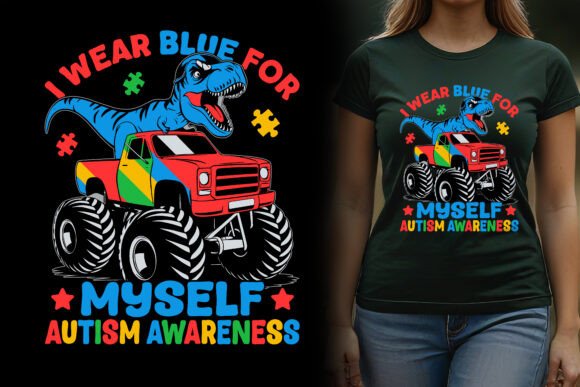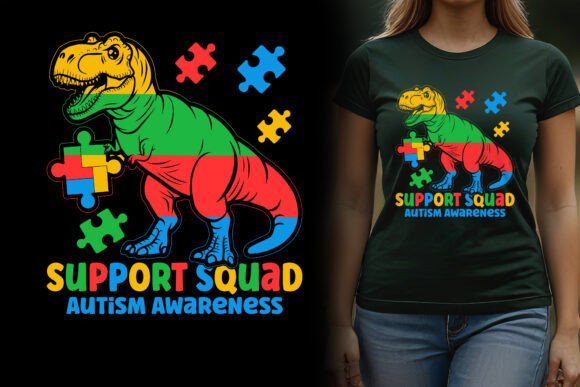
Support Squad Autism Awareness Graphics
A Designer’s First Glance: Warm, Clear, and Purpose-Driven
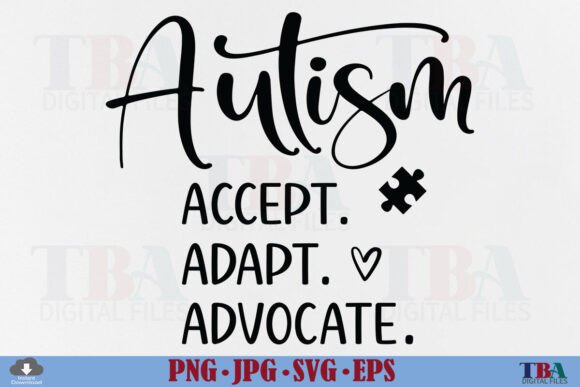
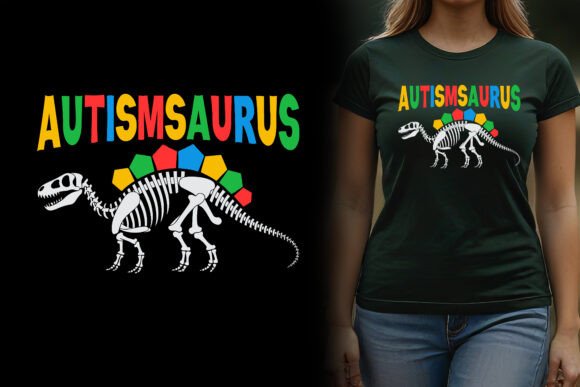
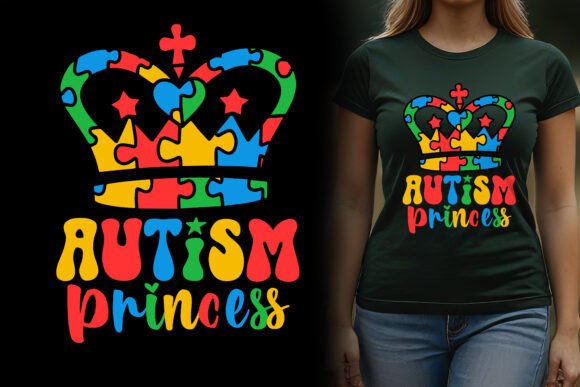
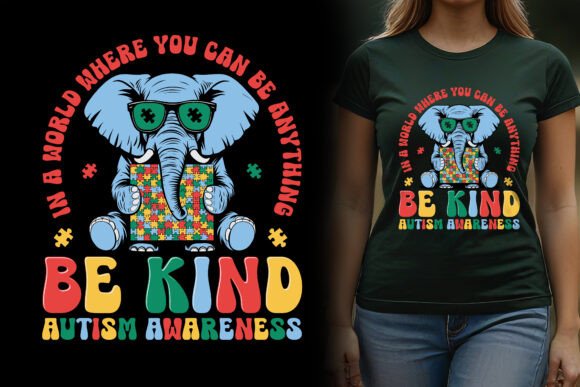
When I opened Support Squad Autism Awareness Graphics, my first thought wasn’t “cute” or “trendy”—it was “this feels intentional.” The layout balances symbolism and simplicity: puzzle pieces interlock with soft curves, not sharp angles; the color palette leans into joyful contrast without visual noise. As an embroidery designer who’s stitched hundreds of awareness-themed projects—from teacher appreciation to sensory-friendly baby ones—I immediately sensed this isn’t just a graphic slapped on a shirt. It carries quiet confidence. It doesn’t shout; it invites. That matters deeply when translating a digital Graphics file into a tactile, stitched machine embroidery design.
Real Project Test: Embroidering a Small-Batch Tote for a Local Support Group
Last week, I prepped Support Squad Autism Awareness Graphics for a custom embroidered tote bag—canvas weight, medium-stretch lining, 4” x 4” hoop. My goal? A clean, durable, gift-ready piece for a neurodiversity advocacy group’s spring fundraiser. I ran a test stitch on scrap fabric first (non-negotiable). What stood out: the puzzle motif held crispness in satin stitch, the lettering (“Be Kind”) stayed legible at 3/8” height, and the overall shape sat comfortably within standard hoop boundaries—no awkward cropping or repositioning needed. No fill stitch flooding. No thread nesting in corners. Just smooth transitions and breathing room between elements. That’s rare in awareness-themed embroidery files, where sentiment often overpowers stitch logic.
Where It Shines—and Where It Asks for Care
Support Squad Autism Awareness Graphics works beautifully across several real-world applications:
- Custom apparel: On cotton tees and lightweight sweatshirts, the balanced density prevents puckering—even on ribbed cuffs or side seams.
- Embroidered patch: Clean outlines and moderate detail make it ideal for iron-on or sew-on patches used on backpacks, jackets, or classroom aprons.
- Baby embroidery: Soft curves and no tiny, fragile details mean it stitches reliably on onesies and burp cloths—just use lightweight cutaway stabilizer and gentle tension.
- Holiday embroidery & personalized gifts: Paired with neutral stitching (navy thread on cream linen tea towels, heather gray thread on oatmeal totes), it reads as thoughtful—not themed-to-the-minute.
- Craft business & Etsy seller use: Its versatility supports multiple listings—a single digital embroidery file can serve teacher merch, parent support kits, and boutique nursery decor—with consistent brand warmth.
But let’s be practical: avoid pushing it too far. On highly textured fabrics like bouclé or thick terry cloth, fine interior lines may blur. On stretchy knits (especially thin jersey), stabilize aggressively—or consider simplifying small interior puzzle details before digitizing. And while it handles dark fabric well with high-contrast thread choices, avoid pairing it with ultra-fine metallics or low-density running stitch accents unless you’ve tested them. This isn’t a minimalist line-art graphic—it carries visual weight, so respect its rhythm.
Stitching Clarity = Customer Trust
In handmade product markets, clarity builds credibility. When a customer sees crisp satin-stitched puzzle pieces on a teacher’s apron—or clean, even fill stitch on a child’s pillow cover—they subconsciously register care, professionalism, and intention. Support Squad Autism Awareness Graphics delivers that. It avoids overloading with decorative flourishes, so the message stays central. That directly lifts perceived value: a $28 embroidered tote feels worth it because the design looks *made*, not printed. It also strengthens brand consistency for small shop owners—if your shop centers empathy and authenticity, this graphic reinforces that without needing a tagline.
Design Notes Every Embroiderer Should Run Through
- Test on scrap fabric first—especially if using textured, dark, or stretchy materials.
- Check thread color contrast against your base fabric in natural light—not just screen preview.
- Review stitch density: Look for tight clusters that might cause stiffness or wear faster on high-wash items like kitchen towels or baby clothes.
- Confirm hoop size compatibility before hooping—some versions may extend slightly beyond 4” depending on scaling.
- Inspect small details like inner puzzle contours—do they resolve cleanly at your machine’s minimum stitch length?
- Test black-and-white mockups to ensure readability if offering monochrome options.
- Compare light/dark fabric backgrounds—some color combinations (e.g., yellow puzzle on white) may need subtle shadow underlay for pop.
- Use proper stabilizer: Medium-weight cutaway for stable fabrics; tear-away + topping for knits or napped surfaces.
- Verify licensing before selling finished products or bundling the digital embroidery file—check whether commercial use is permitted for your craft business model.
Final Thought: A Design That Stitches With Integrity
Support Squad Autism Awareness Graphics isn’t flashy—but it doesn’t need to be. In the hands of a thoughtful embroiderer, it becomes more than a T-Shirt Designs asset. It becomes a quiet act of alignment: between message and method, sentiment and stitch, personal craft and public meaning. Whether you’re stitching for a special ed teacher’s birthday, a mom’s self-care tote, or a boutique’s spring collection, this graphic holds space without demanding attention. And in embroidery—where every pulled thread, every shifted stabilizer, every washed-and-worn garment tells a story—that kind of grounded clarity is everything.