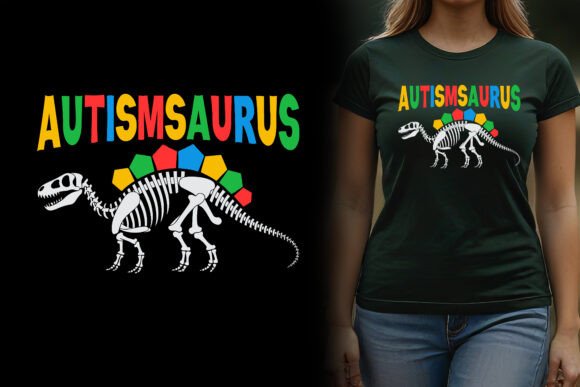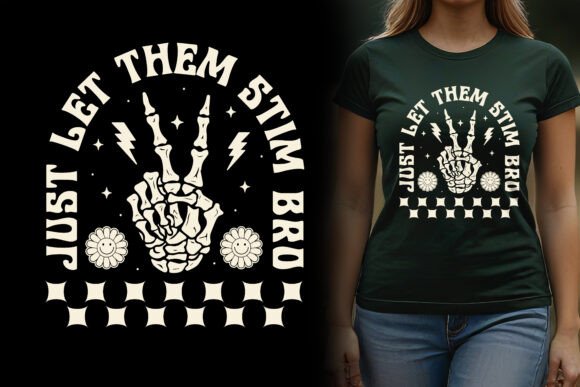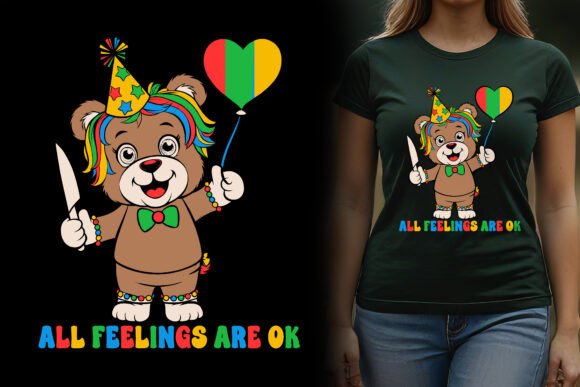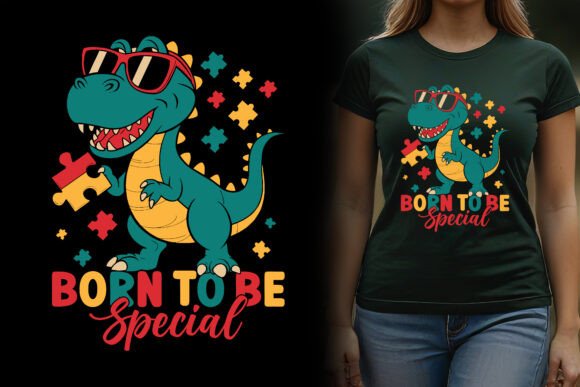
Autism Princess Graphics T-shirt
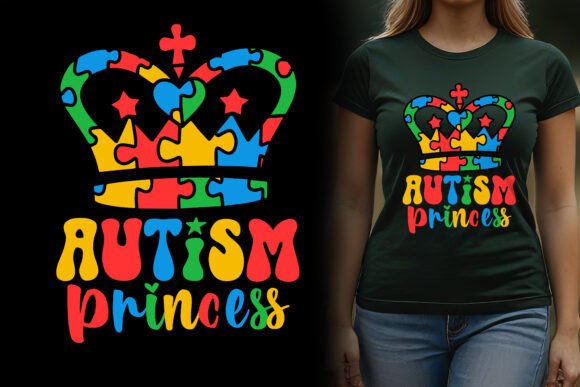
I pulled the Autism Princess Graphics T-shirt design file onto my screen late on a Tuesday evening. A client had just messaged me about a custom embroidered canvas tote bag for a special education teacher’s appreciation gift. She wanted something joyful, inclusive, and instantly recognizable. The moment I saw the soft pink crown, the scattered puzzle pieces in a gradient of turquoise, lilac, and sunny yellow, and the gentle “Be Kind” script woven into the composition, I knew I had found the right visual anchor. It felt less like a seasonal trend and more like a small, wearable statement of pride and warmth.
From a designer’s perspective, the Autism Princess Graphics T-shirt sits in that sweet spot between whimsical and meaningful. The crown motif carries a princess-like charm without being overly childish, which makes it versatile. The puzzle pieces are integrated as decorative accents rather than a literal background, so the artwork doesn’t feel heavy or dated. The phrase “Autism Awareness” is hinted through the symbolism, while the explicit “Be Kind” message sits front and center, which I find smart—it invites conversation without shouting. The overall mood is hopeful, the kind of visual that makes a customer pause and smile, then reach for a product.
I immediately thought about how this machine embroidery design would translate onto different surfaces. The outline is clean, with clearly defined filled areas and modest satin stitch borders. While the original file is a graphic meant for T-shirt printing, adapting it for embroidery requires a careful eye on stitch density and underlay. The puzzle pieces, for instance, are small enough that they might become dense if not properly digitized. I tested a stitched sample on a midweight cotton tote bag, and the result was encouraging: the color gradation translated beautifully into a few well-chosen thread colors, and the crown held its shape without distortion. The script, however, was the trickiest part. On a fill stitch background, the letters needed a slightly wider satin stitch to stay legible, especially on textured fabric. I learned that running a test on scrap fabric first is non-negotiable here.
Where the Design Really Shines
The Autism Princess Graphics T-shirt is not a one-trick pony. I’ve seen it work beautifully on a range of finished products, and each one pulls a different nuance out of the artwork. On a classic cotton T-shirt, the graphic-scale design sits proudly on the chest, and the puzzle colors pop against a light heather gray or white base. On a sweatshirt, the design softens the athletic vibe and turns it into a cozy statement piece. I’ve also stitched it onto a toddler-sized organic cotton tee, and the scale was perfect—just enough detail to catch a child’s attention without overwhelming the small garment.
My favorite application so far has been a set of matching tote bags for a local autism support group. The design, centered on a natural canvas bag, gave the totes a boutique feel. The crown’s arcs and the scattered puzzle pieces created a sense of movement, so the product didn’t look static. For a small shop product, this kind of visual energy is gold. It lifts the perceived value of a simple cotton bag and makes it giftable. I’ve also tested it on a denim jacket back panel, albeit with careful scaling. The design’s vertical orientation—crown on top, script in the middle, puzzle pieces floating around—lends itself well to upright formats like tote bags, pillow covers, and even a kitchen towel hung on a rack.
Products That Amplify the Message
If you’re considering this design for a craft business or Etsy seller lineup, think beyond the T-shirt. The graphic’s personality translates wonderfully into home décor and accessories. I’ve seen it turned into a patches set where the crown and puzzle pieces become standalone iron-on or sew-on accents. An embroidered patch version works well on a ball cap, though you’ll need to adjust for the curved surface. The crown alone, stitched on a baby onesie, becomes a subtle, inclusive statement without needing any text. For personalized gifts, I’ve added a name in a delicate script beneath the design on a pillow cover, and the result was both heartfelt and professional.
One of the most practical uses I’ve discovered is on aprons. A simple linen apron with the design centered on the bib becomes a talking piece at community bake sales or school events. The “Be Kind” message feels especially appropriate in a kitchen setting. The Autism Princess Graphics T-shirt also fits naturally into holiday embroidery projects. I’ve stitched it on a red felt Christmas stocking, and the colorful puzzle pieces mimicked ornaments, while the crown added a regal touch. It’s one of those rare designs that can straddle a cause-related month and everyday use without feeling out of place.
When Fabric and Scale Test Your Patience
As much as I love this design, it’s not infinitely forgiving. The same details that make it charming can become a headache on the wrong material. Stretchy fabric like a performance tee or swaddling blanket requires a heavy-duty stabilizer and often a lower stitch density to prevent puckering. I once tried it on a ribbed knit baby hat, and the small puzzle pieces lost their crisp edges. The fix was to enlarge the design slightly and use a running stitch underlay, but it taught me that the Autism Princess Graphics T-shirt demands respect for its intricacy.
Dark fabrics are another consideration. The gradient colors, especially the soft yellow and lilac, can lose contrast against a navy or black background. I always test the design in a black-and-white mockup first to see if the lightest elements hold their own. If not, a white or light gray base applique can save the day. Small hoop sizes are the real challenge. The script, in particular, becomes illegible below about 3.5 inches wide. The puzzle pieces merge into blobs. For a baby bib or a koozie, I’d extract only the crown or a single puzzle piece as a standalone accent. The design works best when you give it breathing room, both in hoop size and in the negative space around the elements.
Thread Choices and the Customer’s Eye
Color selection makes or breaks the Autism Princess Graphics T-shirt. The “Colorful Grap” in the description hints at a vibrant, optimistic palette, and I’ve found that matching it with high-sheen polyester threads brings out the playful side. I landed on a combination of bright coral, teal, goldenrod, and soft magenta for the puzzle pieces, with a pearlized pink for the crown. The “Be Kind” lettering I stitched in a dark charcoal, which gave it enough weight to ground the design without competing. On a light fabric, the contrast is effortless; on a mid-tone denim, I’d suggest a white or cream lettering instead.
From a customer’s perspective, the finished product carries a strong emotional payload. A parent buying a custom apparel piece for their child wants to see the design clearly, feel the texture, and know it won’t crack or fade after a few washes. The stitch quality directly affects buyer engagement and repeat purchases. I’ve noticed that when the small details—like the tiny crown points or the puzzle piece indentations—are crisp, customers assume the product is high-end. That trust translates into reviews and word-of-mouth. For a special ed teacher gift, the design’s sincerity is what sells. It doesn’t feel like a generic awareness ribbon; it feels personal.
Little Things That Elevate a Handmade Product
I always keep a few designer notes nearby when working with the Autism Princess Graphics T-shirt. First, test the design on a fabric swatch that matches your final product’s weight and weave. Thread color contrast can look perfect on screen and muddy in real life. Second, check the stitch density of the filled areas. The puzzle pieces, if too dense, can make the fabric stiff. A slight reduction in fill stitch density, balanced with a good stabilizer, keeps the hand feel soft. Third, confirm the hoop size needed before you commit. The full design, including the floating puzzle pieces, might require a larger hoop than the crown alone. Always measure the outermost elements.
For commercial embroidery use, this design is a strong candidate for product lines that support autism awareness, but you must verify the licensing terms before selling finished items. Most digital file sellers provide a commercial license, but it’s worth double-checking whether it covers physical products, digital resale, or both. I’ve used this design for a printable mockup to show a client what a finished sweatshirt would look like, and the graphic’s clarity made the mockup convincing. As a digital product preview, it holds its own.
I’ve also found that the Autism Princess Graphics T-shirt pairs beautifully with simpler companion designs. A single puzzle piece stitched on a key fob, or the crown on a scrunchie, creates a cohesive set without overwhelming the customer. For a craft fair table, grouping products with a shared visual thread—like the puzzle colors—can increase perceived brand consistency. The design invites that kind of creative play. It’s not just a T-shirt graphic; it’s a starting point for a whole line of intentional, kind-hearted merchandise.
When To Keep It Simple
There are moments when the full design is too much. On a curved surface like a cap, I’d use only the crown and a single puzzle piece, scaled down. On a tea towel, the whole design can work, but I’d position it off-center, near the bottom hem, so it still shows when the towel is folded. For a wedding gift embroidery, I’d tone down the palette slightly—maybe monochromatic threads with a pop of lavender—to suit a more understated aesthetic. The Autism Princess Graphics T-shirt is adaptable, but it always benefits from a thoughtful edit rather than a blanket application.
After several projects, the design has earned a permanent spot in my embroidery library. It’s not foolproof, but it’s generous. It gives you enough detail to impress and enough flexibility to fit a wide range of handmade product ideas. Whether you’re stitching for a personalized gift, a small shop order, or a holiday embroidery batch, the Autism Princess Graphics T-shirt brings a quiet confidence to the final product. And in a world where customers are looking for meaning as much as they are looking for beauty, that’s a rare and valuable thing.